MEANING:
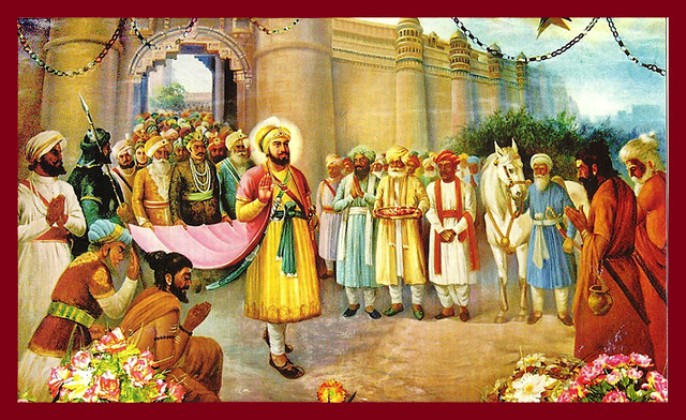
Bandi Chhor Diwas is a day on which Guru Hargobind Sahib was released with 52 Kings from Gwalior Prison. Below is the mean of words:
- Bandi : Imprisoned
- Chhor: Release
- Divas: Day
“Bandi Chhor Divas” means Prisoner Release Day.
HISTORY:
In 1609, The Nawab of Lahore – Murtaja Khan, noticed that Guru Ji had constructed the Sri Akal Takhat Sahib, ‘The Throne of the Almighty’, next to Harminder Sahib Gurdwara, and was also strengthening his army, he was very worried and informed the Mughal Emperor Jahangir about this. He also, wrongly, informed Jahangir that the Sikh Guru was making preparations to take revenge for his father’s martyrdom ( Guru Arjan Dev Ji, the 5th Guru Ji). When Jahangir heard about this, he sent Wazir Khan and Guncha Beg to Amritsar in order to arrest Guru Hargobind Sahib Ji. But Wazir Khan, who was the admirer of Shri Guru Hargobind Ji, rather than arresting him, requested the Guru to accompany them to Delhi telling him that Emperor Jahangir wanted to meet him. Guru Sahib accepted the invitation and soon reached Delhi.
When Jahangir saw and met Guru Sahib Ji, he was very impressed with the aura. Soon, he became friends with the Guru Ji. Learning that the Guru was also an keen hunter he invited Guru Hargobind to accompany him on his shikars (hunts). On one of these hunts, the Moghul Emperor was hunting a lion which had been terrorizing a small village. Suddenly out of the bush the ferocious beast charged at Jahangir. Gunshots and arrows failed to end the attack of the lion. The beast was almost upon the Emperor when Guru Hargobind jumped between them. Guru Ji raised his shield to deflect the lion and with a single stroke of his sword, the lion fell dead. The appreciative Emperor and Guru Hargobind were now becoming close friend of Guru Ji but Chandu Shah could not bear this. Chandu Shah was rich banker with much influence in Jahangir’s court and seeing the growing friendship of the two leaders, he began his conspiracies again against Guru Hargobind Sahib Ji.
While at Agra, the Emperor fell seriously ill. The royal physicians tried their best but they failed to cure him. Chandu Shah now saw his chance, conspiring with the astrologers, he asked them to lie to the the Emperor that his sickness was due to a bad merging of the stars. Jahangir was told that the disease could be cured, only if some holy man would go to Gwallior Fort and continuously offer prayers to the deity there. He suggested that there could be none more appropriate than his new friend Guru Hargobind Ji and that he should be asked go to Gwallior Fort. At the Emperor’s request the Guru (in 1609, age 14 years) agreed and left for the Fort with several companions.
In the fort Guru Ji met many Hindu Kings and Princes who were detained there due to political reasons. Their living conditions in the fort were very dreadful. They were not giving even sufficient food and the drinking water was spiked with the poison. With the help of Hari Dass, the governor of fort, the Guru had their conditions improved. The princes and the Kings soon joined the Guru in his daily prayers. Unknown to Chandu Shah, Hari Daas was a Sikh of Guru Nanak and he had become an passionate devotee of Guru Hargobind Sahib Ji. When Chandu wrote to Hari Daas telling him to poison Guru Sahib, he had at once placed the letter before Guru Ji. When several months had passed without their Guru being released, Baba Buddha Ji and a group of Sikh devotees traveled to the fort to meet with the Guru. They told the Guru that the whole of Amritsar, his family, devotees and all the pilgrims who had come, from near and far to visit him, were missing his presence dearly. They were worried that their Guru might never leave the prison. The Guru Ji assured them that they should not worry, he would join them soon. Outside the fort Sikhs gathered and began to carried out Parbhaat-Pheris (singing Gurbani), as they walked around Gwallior Fort waiting for their beloved Guru’s release.
Sai Mian Mir, a noted Sufi Sant and friend of both the Guru Arjan Dev ji and Guru Hargobind Sahib Ji travelled to the Emperor’s Court to meet with Jahangir asking him to release the Guru. Jahangir, who had fully recovered, then ordered Wazir Khan to release Guru Sahib.
Reaching Gwallior Fort, Wazir Khan informed Hari Daas of the Emperor’s order to release the Guru. Hari Daas was very pleased to hear this and quickly informed Guru Ji about the message from the Emperor. But the Guru refused to leave the fort unless the 52 kings and princes were released as well.
The fifty–two princes who had been prisoned for political reasons had suffered in the fort for years. The Guru with his heart full of compassion for the plight of others was determined to get the prisoners freed.
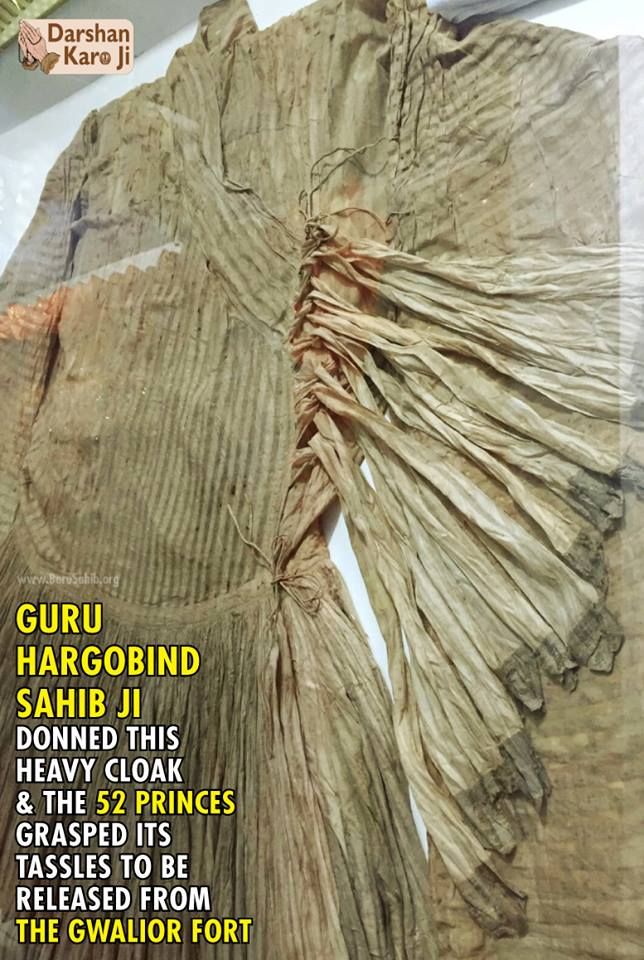
Guru Ji had a robe made with 52 corners or tails, So, as the Guru walked out of the gate of the fort the fifty-two princes trailed behind, each holding on to his own tail of the Guru’s special robe.
(Guru Hargobind Sahib Ji on his way back to Punjab stayed for 45 days in Guddani Kala village near Ludhiana. Guru Ji would also hold a daily diwan (congregation) for all here and they were very pleased with the seva of sangat . Guru Ji left his Chola Sahib with 52 kalian , His Jora Sahib (shoes) and small Larivaar Gutka containing Gurbani, which Guru Sahib used while staying here.
In 2015, the Chola sahib was restored by conservator Namrata Jaspal )
The Guru’s cleverness had trumped Jahangir’s clever condition and liberated the fifty-two princes. Guru Hargobind is therefore also known as Bandi-Chhor (Liberator). The year of his release was probably 1611 or 1612, when Guru Hargobind was about 16 years old.
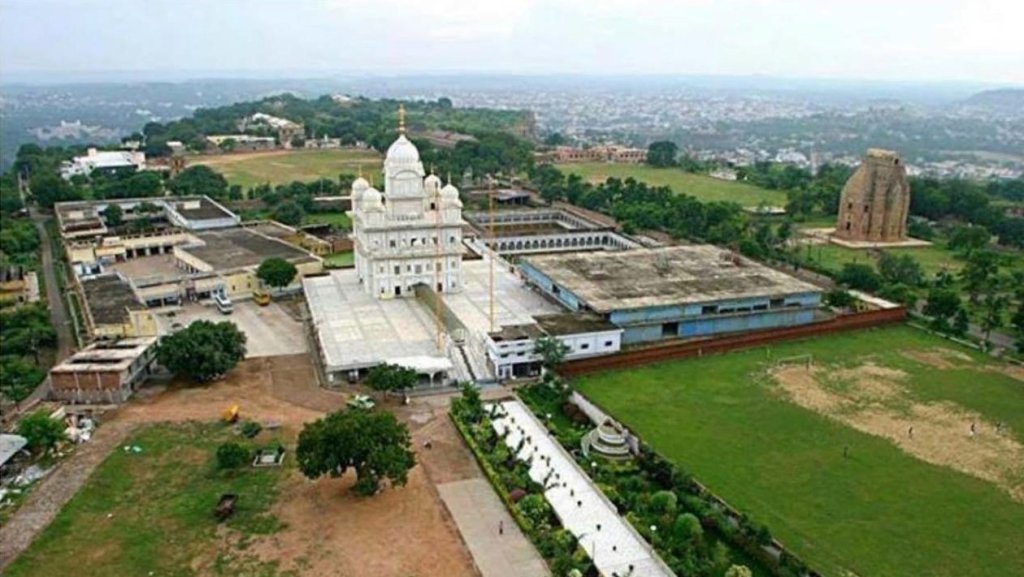
According to Persian records such as Dabistan i Mazahib, he was imprisoned in Gwalior prison from 1617 to 1619, after which he and his camp were placed under Islamic military surveillance by Jahangir. Gurudwara Bandi Chor is built at the place where the Guru stayed during his detention.
There is another version of Sakhi exist in our history which can be read via below link:
MESSAGE AS PER GURBANI
The most commonly sung and quoted Gurbani verses relating to Bandi Chhor Diwas/ Diwali are:
1st Shabad: Diwali Dee Rat Deevay Baleean.
wriitten by Bhai Gurdas Ji (Var 19 Pauree 6). Sikh ragees/ Kirtaniyas sing this pauree and explain it as evidence that Diwali and the lighting of lamps is to be celebrated as an authentic Sikh practice. The focus and repat first first of below pauree.
ਦੀਵਾਲੀ ਦੀ ਰਾਤ ਦੀਵੇ ਬਾਲੀਅਨਿ ॥
Diwali Dee Rat Deevay Baleean.
The lamps of the night of Diwali eventually burn out
ਤਾਰੇ ਜਾਤ ਸਨਾਤ ਅੰਬਰ ਭਾਲੀਅਨ ॥
Tarey Jaat Snaat Ambar Bhaleean.
The stars of the night sky stop sparkling when dawn comes.
ਫੁਲਾਂ ਦੀ ਬਾਗਾਤ ਚੁਣ ਚੁਣ ਚਾਲੀਅਨਿ ॥
Fullan Dee Bagaat, Chun Chun Chaleean.
The beauty of the flower disappears as the flowers are picked
ਤੀਰਥਿ ਜਾਤੀ ਜਾਤ ਨੈਣ ਨਿਹਾਲੀਅਨਿ ॥
Teerath Jatee Jaat Nain Nihalean
The gaiety of the place of pilgrimage dies when the crowds leave
ਹਰਿ ਚੰਦੁਰੀ ਝਾਤ ਵਸਾਇ ਉਚਾਲੀਅਨਿ ॥
Har Chandauree Jhaat Vasae Uchaleean
Life- even as bestowed by God- is temporary; settled and then destructed
ਗੁਰਮੁਖ ਸੁਖਫਲ ਦਾਤ ਸ਼ਬਦ ਸਮ੍ਹਾਲੀਅਨਿ ॥੬ ॥
Gurmukh Sukh Fal Dat Shabad Smaleean.
Yet, the Gurmukh is blessed with the fruit of permanent joy through his Immersion in the Shabad
General rule is that the main message of a shabad is captured in the Rahao line. However, the writings of Bhai Gurdas do not follow such a practice. Bhai ji does not use Rahao in any of his writing. In all his writings, his main message is always contained in the final verse of the pauree, kabit or swayea.
Now in the above pauree, the first five lines of every pauree are illustrations / explanations for the real message which is provided in the final / concluding line. The meaning of this pauree is therefore as follows: A Gurmukh seeks bliss from the Shabad. The joy that comes from the Shabad is not as temporary as the lamps that burn on Diwali night, the star-lit night skies, and the beautiful sights of the orchard, the joyous atmosphere of the places of pilgrimages. Now, to use the first line of this pauree – Divalee Dee Raat Divey Baleean – as Gurbanee justification for Sikhs to light lamps (or otherwise celebrate) the Diwali night is ignorance – fake or genuine.
Also, the WORDS used by Bhai Ji in the pauree gives indication of his emotions.
- Baleean : burned ( used in negative sense example wood burned) . Refer to Darkness
- Jagaeeyan : Lit ( Used in a positve way example Lamps are lightied) . Refer to brigthness
Bhai Gurdas Ji’s emotions are concerned with the temporariness of the act – that the lamps (no matter how many positive feelings they create) eventually burn out, or burn to darkness. The message is concerned with the final outcome – that lamps burn out.
2nd Shabad: satigur bandhee chhor hai jeevan mukat karai oddeenaa
wriitten by Bhai Gurdas Ji
ਸਤਿਗੁਰੁ ਬੰਦੀਛੋੜੁ ਹੈ ਜੀਵਣ ਮੁਕਤਿ ਕਰੈ ਓਡੀਣਾ।
satigur ba(n)dheechhor hai jeevan mukat karai oddeenaa|
The true Guru is giver of freedom from bondages and makes the detached ones liberated in life.
ਗੁਰਮੁਖਿ ਮਨ ਅਪਤੀਜੁ ਪਤੀਣਾ ॥੨੦॥
gurmukh man apateej pateenaa |
The wavering mind of the Guru-oriented individual becomes steadfast and full of confidence.
In above above, Guru Ji are liberator who librate the gurmukhs in there life which if you consider the 1st shabad, will appropriate with the last line
3rd Shabad : dheevaa balai a(n)dheraa jai on Ang 791
Now in this shabad, Guru Ji taking about what lamp actualy should we lit. When the lamp of wisdom shines with the lamp of the Guru’s wisdom, then all the darkness of ignorance vanishes.
ਦੀਵਾ ਬਲੈ ਅੰਧੇਰਾ ਜਾਇ ॥
dheevaa balai a(n)dheraa jai ||
When the lamp is lit, the darkness is dispelled;
ਬੇਦ ਪਾਠ ਮਤਿ ਪਾਪਾ ਖਾਇ ॥
bedh paaTh mat paapaa khai ||
reading the Vedas, sinful intellect is destroyed.
ਉਗਵੈ ਸੂਰੁ ਨ ਜਾਪੈ ਚੰਦੁ ॥
augavai soor na jaapai cha(n)dh ||
When the sun rises, the moon is not visible.
ਜਹ ਗਿਆਨ ਪ੍ਰਗਾਸੁ ਅਗਿਆਨੁ ਮਿਟੰਤੁ ॥
jeh giaan pragaas agiaan miTa(n)t ||
Wherever spiritual wisdom appears, ignorance is dispelled.
DEEP MALA ( LIGHTING CANDLES) and BANDI CHOR:
Bandi Chorh Diwas and Diwali are separate festivals and the events actually fall on different days; however, commonly in the popular calendars, they are celebrated on the same day. For this reason, many people often think of these events as if they are the same.
These two celebrations represent two quite different events in history. On Bandi Chorh Diwas, the Shri Guru Hargobind Sahib Ji was released from Gwalior, taking with him 52 long imprisoned Rajas, who were released with Guru Ji. The day of his return to Amritsar coincided with the Hindu festival of Diwali, (“the festival of lights”). This concurrence has resulted in a similarity of celebrations amongst Sikhs and Hindus.
Diwali is connected to various religious events, deities and personalities, such as being the day Rama returned to his kingdom in Ayodhya with his wife Sita and his brother Lakshman after defeating the demon king Ravana. It is also widely associated with Lakshmi, the goddess of prosperity and Ganesha, the god of wisdom and the remover of obstacles!
1st, As per book, Guru Kian Sakhian in Bhat Vahee related to the release of to Guru Hargobind sahib Ji subsequent arrival at Amritsar, it took about 7 months for the day of release to reach the Amritsar. If this record is considered accurate then the Guru Ji missed Diwali by that many months!
2nd , the performing of a Deep Maala is just a ritual and no importance has been given in gurbani. It is very unlikely that Sikhs would have indulged in a mass lamp lighting ritual or deep mala to welcome their Guru. It is even more unlikely that the Guru would have allowed his Sikhs to indulge in a ritual that was not only of no significance in Sikhi, but against Gurmat. It is more likely that huge numbers of Sikhs thronged to visit him on the way from Agra to Amritsar and he had divans of kirten, katha, langgar sewa, and parchar for months finishing in a grand sangat gathering at Darbar Sahib.
3rd , if one assumes that Guru Hargobind started the practice of deep maala, then one must look at other historical events. It is worth noting that there is no record of the Sikhs having performed deep maala when Darbar Sahib was inaugurated, when the first parkash of the GGS was conducted, when Akaal Takhat was installed, If indeed Deep Maala was an accepted practice then, it would have been done on all these other occasions.
4th , Bhai Mani Singh’s Shaheedee. Sikhs are told that Bhai Sahib Ji sought to have a gathering of Sikhs during the Diwali of 1737. The local ruler agreed to not persecute the Sikhs who attended provided Bhai ji agreed to pay a fixed amount of money. Subsequently, upon discovering that the ruler had devised a plan to attack the sangat, Bhai ji sent notices for the Sikhs to not attend this function. There was thus no function and Bhai ji refused to pay the agreed amount to the ruler. He refused to allow the existing golak of the Guru Ghar to settle the amount due. As a result, Bhai ji was cut up limb by limb.
This incident is used to portray the fact that Sikhs did celebrate Diwali as a religious function because that is what this great Shaheed intended to do. But was that the intention – to celebrate Diwali as a Sikh religious function? Or was Bhai ji merely using the occasion to gather Sikhs to conduct a spiritual diwan that had everything to do with Sikhi (Kirtan, Gurbani recitation, langar sewa etc) and nothing to do with Diwali per se?
Since Last 15 years, at every Diwali night an flashy display of fireworks, deep mala, and distribution of sweets. To see Darbar Sahib celebrating Diwali like this is a clear indication of the spiritual and moral corruption in today’s Sikh spiritual leadership.
HISTORY OF GWALIOR FORT:
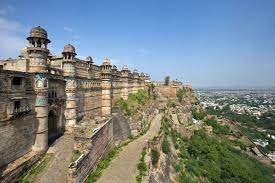
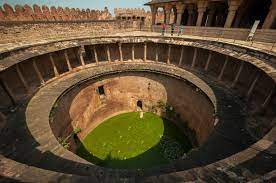
The fort was built by a local king named Suraj Sen in 3 CE. He was cured of leprosy, when a mystic named Gwalipa offered him the water from a sacred pond, which now lies within the fort. The grateful king constructed a fort, and named it after the mystic. The mystic bestowed the title Pal (“protector”) upon the king, and told him that the fort would remain in his family’s possession, as long as they bear this title. 83 descendants of Suraj Sen Pal controlled the fort, but the 84th, named Tej Karan, lost it.
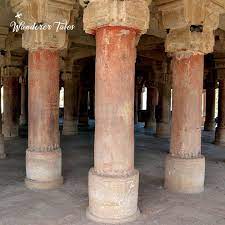
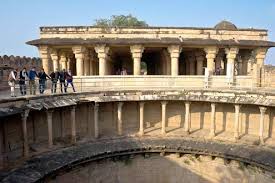
The fort and its premises are well maintained and house many historic monuments including 4 palaces, 5 temples and water tanks. The fort covers an area of 3 square kilometres and rises 11 metres (36 ft)
From 11th century onwards, the Muslim empires attacked the fort several times. Akbar made the fort a prison for political prisoners.
Below is the Timeline for brief history of The Fort:

For More Inforamtion, please see below links:
References:
- Guru Hargobind Sahib Ji, Book by Dr. Sukhbir Singh Kapoor
- Guru Kian Sakhian, By Bhat Vahee
- Basic of Sikhi , you Tube Channel
- https://www.youtube.com/watch?v=3myspuH4zkc
- http://www.sikhitothemax.org

 Sikhiya
Leave a comment