
Does Gurbani Prohibit Eating Meat?
Different people have different views on whether consumption of meat by a Sikh is allowed. Some feel it is prohibited while others feel there is no prohibition.
I will try make an effort to understand with the help of Dhan Dhan Sri Guru Granth Sahib Ji and references from the historical text.
PART A:
The following Shabad is mostly quoted by meat eater or people who support eating meat:
ਮਃ ੧ ॥
ਮਾਸੁ ਮਾਸੁ ਕਰਿ ਮੂਰਖੁ ਝਗੜੇ ਗਿਆਨੁ ਧਿਆਨੁ ਨਹੀ ਜਾਣੈ ॥ ਕਉਣੁ ਮਾਸੁ ਕਉਣੁ ਸਾਗੁ ਕਹਾਵੈ ਕਿਸੁ ਮਹਿ ਪਾਪ ਸਮਾਣੇ ॥ ਗੈਂਡਾ ਮਾਰਿ ਹੋਮ ਜਗ ਕੀਏ ਦੇਵਤਿਆ ਕੀ ਬਾਣੇ ॥ ਮਾਸੁ ਛੋਡਿ ਬੈਸਿ ਨਕੁ ਪਕੜਹਿ ਰਾਤੀ ਮਾਣਸ ਖਾਣੇ ॥ ਫੜੁ ਕਰਿ ਲੋਕਾਂ ਨੋ ਦਿਖਲਾਵਹਿ ਗਿਆਨੁ ਧਿਆਨੁ ਨਹੀ ਸੂਝੈ ॥ ਨਾਨਕ ਅੰਧੇ ਸਿਉ ਕਿਆ ਕਹੀਐ ਕਹੈ ਨ ਕਹਿਆ ਬੂਝੈ ॥
ਅੰਧਾ ਸੋਇ ਜਿ ਅੰਧੁ ਕਮਾਵੈ ਤਿਸੁ ਰਿਦੈ ਸਿ ਲੋਚਨ ਨਾਹੀ ॥ ਮਾਤ ਪਿਤਾ ਕੀ ਰਕਤੁ ਨਿਪੰਨੇ ਮਛੀ ਮਾਸੁ ਨ ਖਾਂਹੀ ॥ ਇਸਤ੍ਰੀ ਪੁਰਖੈ ਜਾਂ ਨਿਸਿ ਮੇਲਾ ਓਥੈ ਮੰਧੁ ਕਮਾਹੀ ॥ ਮਾਸਹੁ ਨਿੰਮੇ ਮਾਸਹੁ ਜੰਮੇ ਹਮ ਮਾਸੈ ਕੇ ਭਾਂਡੇ ॥ ਗਿਆਨੁ ਧਿਆਨੁ ਕਛੁ ਸੂਝੈ ਨਾਹੀ ਚਤੁਰੁ ਕਹਾਵੈ ਪਾਂਡੇ ॥
ਬਾਹਰ ਕਾ ਮਾਸੁ ਮੰਦਾ ਸੁਆਮੀ ਘਰ ਕਾ ਮਾਸੁ ਚੰਗੇਰਾ ॥ ਜੀਅ ਜੰਤ ਸਭਿ ਮਾਸਹੁ ਹੋਏ ਜੀਇ ਲਇਆ ਵਾਸੇਰਾ ॥ ਅਭਖੁ ਭਖਹਿ ਭਖੁ ਤਜਿ ਛੋਡਹਿ ਅੰਧੁ ਗੁਰੂ ਜਿਨ ਕੇਰਾ ॥ ਮਾਸਹੁ ਨਿੰਮੇ ਮਾਸਹੁ ਜੰਮੇ ਹਮ ਮਾਸੈ ਕੇ ਭਾਂਡੇ ॥ ਗਿਆਨੁ ਧਿਆਨੁ ਕਛੁ ਸੂਝੈ ਨਾਹੀ ਚਤੁਰੁ ਕਹਾਵੈ ਪਾਂਡੇ ॥
ਮਾਸੁ ਪੁਰਾਣੀ ਮਾਸੁ ਕਤੇਬੀ ਚਹੁ ਜੁਗਿ ਮਾਸੁ ਕਮਾਣਾ ॥ ਜਜਿ ਕਾਜਿ ਵੀਆਹਿ ਸੁਹਾਵੈ ਓਥੈ ਮਾਸੁ ਸਮਾਣਾ ॥ ਇਸਤ੍ਰੀ ਪੁਰਖ ਨਿਪਜਹਿ ਮਾਸਹੁ ਪਾਤਿਸਾਹ ਸੁਲਤਾਨਾਂ ॥ ਜੇ ਓਇ ਦਿਸਹਿ ਨਰਕਿ ਜਾਂਦੇ ਤਾਂ ਉਨ੍ਹ੍ਹ ਕਾ ਦਾਨੁ ਨ ਲੈਣਾ ॥ ਦੇਂਦਾ ਨਰਕਿ ਸੁਰਗਿ ਲੈਦੇ ਦੇਖਹੁ ਏਹੁ ਧਿਙਾਣਾ ॥ ਆਪਿ ਨ ਬੂਝੈ ਲੋਕ ਬੁਝਾਏ ਪਾਂਡੇ ਖਰਾ ਸਿਆਣਾ ॥
ਪਾਂਡੇ ਤੂ ਜਾਣੈ ਹੀ ਨਾਹੀ ਕਿਥਹੁ ਮਾਸੁ ਉਪੰਨਾ ॥ ਤੋਇਅਹੁ ਅੰਨੁ ਕਮਾਦੁ ਕਪਾਹਾਂ ਤੋਇਅਹੁ ਤ੍ਰਿਭਵਣੁ ਗੰਨਾ ॥ ਤੋਆ ਆਖੈ ਹਉ ਬਹੁ ਬਿਧਿ ਹਛਾ ਤੋਐ ਬਹੁਤੁ ਬਿਕਾਰਾ ॥ ਏਤੇ ਰਸ ਛੋਡਿ ਹੋਵੈ ਸੰਨਿਆਸੀ ਨਾਨਕੁ ਕਹੈ ਵਿਚਾਰਾ ॥੨॥
On Ang Number: 1289 to 1290
Very often, the above Shabad is used by the people to support that The Shri Guru Granth Sahib Ji supporting eating meat and calling people fool who do not eat meat. Sometimes, we take one or two lines of Shabad and try to support or present our view but if we looked at the past katha vachak/ Giannis , how various Gurmukh used to do katha and vichaar, it is very clear that the whole Shabad’s central idea is in the Rahaou line (ਰਹਾਉ) and if there is no rahaou line, we need to looked at the whole Shabad and the last line will give the central idea or advice by Guru Ji. Most of Bhai Gurdas ji’s vara contain the central idea/advice in the last line.
Now, in above Shabad, there are 26 lines but no rahaou line. So, we need to look at the whole Shabad to try to get the central idea of message.
- Guru Ji addressed above Shabad to Panday(ਪਾਂਡੇ) who does not eat meat and hate the idea of eating meat by showing in his behaviours. He pretends that he is very pious but from inside he is very corrupt and engrossed in ego and lust. Although, it is addressed to Panday but in broader term, The Shabad can be applied any person who has the above characteristic of Panday.
- The very first line mentioned that the fools (Pandit/ Giani) argues about flesh and meat, but they know nothing about Mediation (ਧਿਆਨੁ) and spiritual wisdom (ਗਿਆਨੁ). Let’s make one thing very clear that the pandit/Giani/Person who does not know about two things medication and spiritual wisdom are arguing about meat. So, if somebody who has spiritual wisdom and does meditation (imbued in Naam Simran) will not argue about whether to eat meat or not. So, when meat eater use about line in their support against the vegetarian, it is not according to the Shabad. There is no suggestion of eating meat in the whole Shabad.
- In whole Shabad, Guru Ji discussed about how Flesh is important and who life exists and evolve with flesh but never mention to eat meat.
- In first three parts, Guru Ji end with the line which mean the pandit who does not know spiritual wisdom and meditative state called himself clever. They even called such people are blind(ਅੰਧੇ) and nothing can be explained to such people.
- In the last part, Guru Ji explained that everything come from the water. If Panday want to become the Giani and Dhiani, he must forsake all the delicacies (ਰਸ) and do contemplation. Again Ji Guru Ji did not suggest or support to eat meat.
History Behind the Shabad:
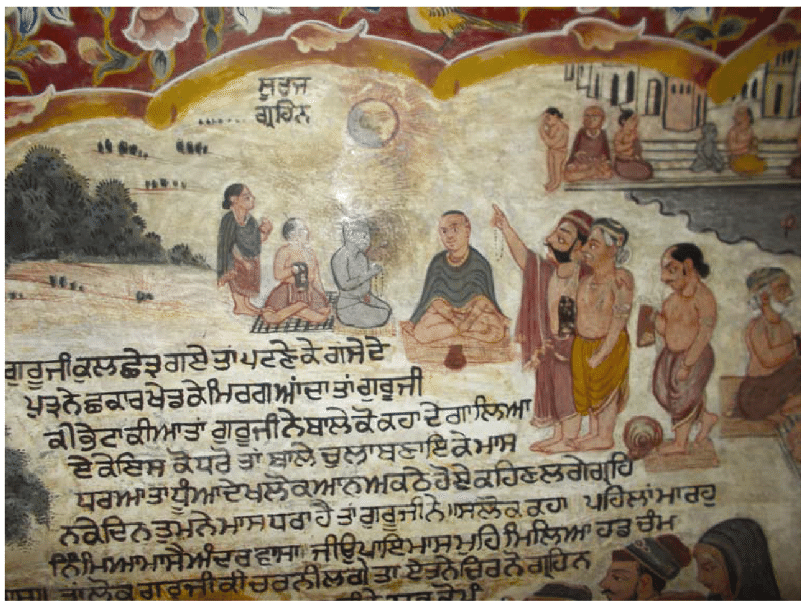
Guru Nanak Dev Ji came to kurukshetra (ਕੁਰੁਕਸ਼ੇਤਰ / ਕੁਰੁਕ੍ਸ਼ੇਤ੍ਰ) during his First Udasi on the Amavas Night of Baisakhi. When he reached kurukshetra, a very big fair was on. A few hundred thousand people had gathered for the fair as they come even today. It was a day of solar eclipse. It was the kind of pilgrimage, and they were getting ready to bathe in the sacred tank there (Called Brahm sarovar). The Guru did not go there to see the fair, nor did he go there to have a bath to purify himself. He went their to guide the misguided people. Generally, people believed that when there is an eclipse of the sun or moon, then two demons named rahu and ketu influence them with the intent of killing them. So, people have a bath and give charity. They believed that by the effect this bath and charity the demons go away and are not able to cast their evil influence. This belief was not true because an eclipse is a natural phenomenon. It is only a shadow caused by movement of earth and moon in relation to the sun. Today the Same beliefs are followed on solar eclipse. Therefore, Guru went there to take people out of false belief of the fear of demons and put them on true path of recitation of lord’s name with love. He went to teach that one should give charity often and have a bath every day, but one should not have a mistaken belief of fear from the demons.
When the time of eclipse was near, King Jagat Rai of Hansi arrived with his mother. Some enemies had forcibly occupied his kingdom and thrown him out. He had come to Kurukshetra in the hope of meeting some saint and getting his blessings. It appears, he knew that a fair was on at Kurukshetra but he did not know that it was the day of eclipse. He had shot a deer on the way and had planned to camp, eat and then go to the fair and look for a good saint, but before he reached the fair he saw guru ji sitting with mardana, singing the divine hymns. The King and his mother wondered to see such a godly face. They felt that this perhaps was a real beloved of the lord. they came forward and bowed their heads and offered the deer to the guru, then they kindly told their tale of woe.
Meanwhile, the cooks started preparation of cooking the meat. The Guru Listened sympathetically to king’s suffering, consoled him and advised him to follow true path of lord’s name with love. Meanwhile, people saw the fire and smoke and were furious because the pandits and the people believed that to cook food during an eclipse period was an evil thing. Soon people gathered there with sticks and wands and angrily said, “Who are you to be cooking food during a solar eclipse? How dare you kill a deer and put it on to cook when the solar eclipse has begun”. Some cried out that someone must be sacrificed to please the gods, the demons called Ketu and Rahu. The Guru told them that you are welcome to kill Guru sahib, but be sure that if killing deer is an evil deed during solar eclipse then how could killing a man be a holy act?
On hearing this, the people stated having second thoughts. By saying such it feels guru had lost in discussion but in actuality he had won. They felt shamed and they lowered their sticks and wands. then as it is mentioned in “”GURU NANAK PARKASH””, the guru asked the sadhus to bring a senior learned pundit or some ascetic so that the issue could be discussed seriously. They went and brought some pandits and ascetics, one of which was a pundit named NANOO but he called himself Nanak. He had read in some scripture that this is the time for prophet Nanak, who is the lord’s beloved to come to earth. So, he thought: If he is called Nanak, then he would become famous and would be known as a prophet. He was surprised to meet another Nanak in fair. He wondered that if this Nanak might be the same prophet that the scripture had mentioned but since he was quite a learned pundit, he thought he might be able to win in the discussion. So, he joined the other pundits who came for discussion with the guru.
This is where Guru Nanak Ji said the above SHABAD. Guru Nanak Ji discussed in length and answered all the arguments from Pandit Nanoo. All those who listened were impressed by the GUru’s frank talk. Nanoo pundit then touched the guru’s feet and with folded hands accepted he was wrong. He said, I am sorry, I was calling myself Nanak. I did not know that you have already come to this earth. Even after so much learning, i was ignorant, proud and greedy. You are the real Nanak, you are the real prophet. You are the liberator of people from the cycle of births and deaths in this un-enlightened era (Kalyug). From now onwards i shall be called nanoo and not Nanak. He addressed the gathering, ” Listen everybody he is true nanak, I am not Nanak”. In this way, all the pundits, the sadhus and the learned ones bowed to the guru. Many became his disciples and were blessed by nanak with the lord’s name. The questions of the pandits have not been recorded, but the answers that the guru gave are mentioned in the guru granth sahib, the holy scripture in Malaar Rag vaar. From there one can infer what the pandits asked.
In this story, it is evident that the pandits and the people had no arguments to reply to Guru Nanak Ji.
The Miracle that happened at that time has also been recorded. When everybody accepted his teaching and became his disciples, then the guru asked the people to open the cooking pot and eat and when it was opened then they found it was full of sweet rice pudding! all the pundits of various sects and the ordinary pepole ate sweet rice. Great guru Nanak has come to liberate people from the cycle of births and deaths in this un – enlightened era of Kalyug. The guru advice to the pundits is repeated once the incessant remembrance of the lord.
PART B:
In Part A, the last line of the Shabad is:
ਏਤੇ ਰਸ ਛੋਡਿ ਹੋਵੈ ਸੰਨਿਆਸੀ ਨਾਨਕੁ ਕਹੈ ਵਿਚਾਰਾ
Guru Sahib Ji, telling Pandit to forsake all the delicacies including meat/maas and become true hermit and Guru Nanak Ji reflect and speaks.
On Ang 15, Guru ji taking about how various type of pleasures keep us away from the Naam.
ਰਸੁ ਸੁਇਨਾ ਰਸੁ ਰੁਪਾ ਕਾਮਣਿ ਰਸੁ ਪਰਮਲ ਕੀ ਵਾਸੁ ॥ ਰਸੁ ਘੋੜੇ ਰਸੁ ਸੇਜਾ ਮੰਦਰ ਰਸੁ ਮੀਠਾ ਰਸੁ ਮਾਸੁ ॥ ਏਤੇ ਰਸ ਸਰੀਰ ਕੇ ਕੈ ਘਟਿ ਨਾਮ ਨਿਵਾਸੁ ॥
ਸੋਨਾ ਚਾਂਦੀ (ਇਕੱਠਾ ਕਰਨ) ਦਾ ਚਸਕਾ, ਇਸਤ੍ਰੀ (ਭਾਵ, ਕਾਮ) ਦਾ ਚਸਕਾ, ਸੁਗੰਧੀਆਂ ਦੀ ਲਗਨ I ਘੋੜਿਆਂ (ਦੀ ਸਵਾਰੀ) ਦਾ ਸ਼ੌਂਕ, (ਨਰਮ ਨਰਮ) ਸੇਜਾਂ ਤੇ (ਸੋਹਣੇ) ਮਹਲ-ਮਾੜੀਆਂ ਦੀ ਲਾਲਸਾ, (ਸੁਆਦਲੇ) ਮਿੱਠੇ ਪਦਾਰਥ, ਤੇ ਮਾਸ (ਖਾਣ) ਦਾ ਚਸਕਾ I ਜੇ ਮਨੁੱਖਾ ਸਰੀਰ ਨੂੰ ਇਤਨੇ ਚਸਕੇ ਲੱਗੇ ਹੋਏ ਹੋਣ, ਤਾਂ ਪਰਮਾਤਮਾ ਦੇ ਨਾਮ ਦਾ ਟਿਕਾਣਾ ਕਿਸ ਹਿਰਦੇ ਵਿਚ ਹੋ ਸਕਦਾ ਹੈ ?੨।
The pleasures of gold and silver, the pleasures of women, the pleasure of the fragrance of sandalwood, the pleasure of horses, the pleasure of a soft bed in a palace, the pleasure of sweet treats and the pleasure of hearty meals these pleasures of the human body are so numerous; how can the Naam, the Name of the Lord, find its dwelling in the heart?
PART C
In This part, the word Kutha will be discussed.
In Sikh Rehat Maryada approved by Shri Akal Takhal Sahib, below line are mentioned:
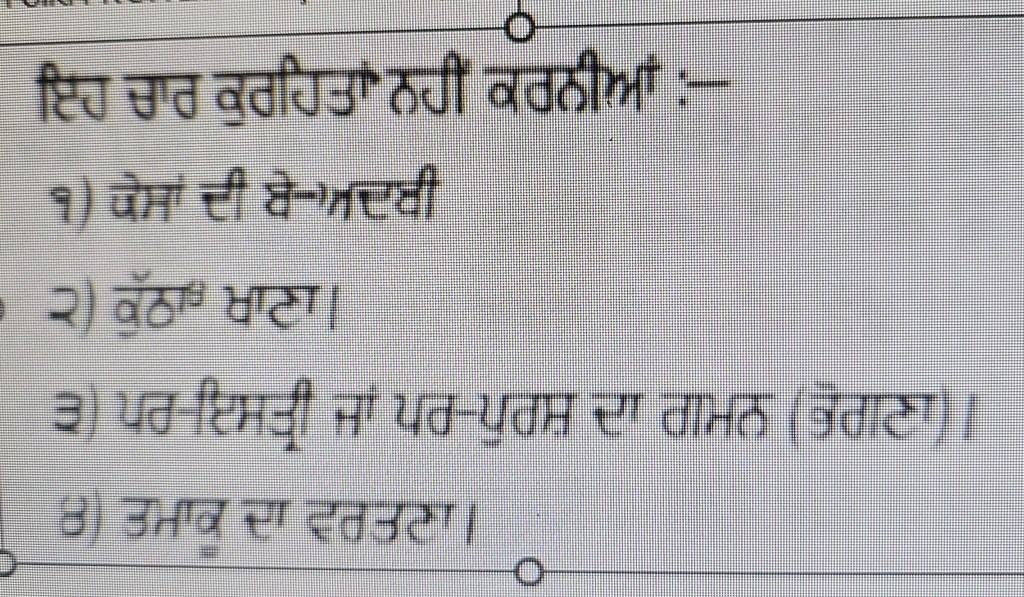
Above are four cardinal sins. The second line mentioned about Kutha. In General, people explain Kutha word in reference to Meat prepared by Muslim way. Below are few excerpts from Gurbani and the Sikh Scholar:
According to Bhai Randhir Singh, word KuTha is an abstract noun derived from the root verb ਕੁਹਣਾ i.e. Kohna. The word Kohna is a verb meaning ‘to kill mercilessly’. The form derived from the root verb Kohna, that functions as a noun is ਕੁਹਣ (Kohn). The definition of Kohn, thus, is simply the killing of an animal irrespective of the slaughter method. So, Kutha simply refer meat.
Bhai Veer Singh ji in Guru Granth Sahib Kosh confirms the same definition with the following meaning of KuTha.
ਕੁਠਾ ਕੁਹਣਾ ਤੋਂ ਬਣਦਾ ਹੈ। ਕੋਹਿਆ ਤੋਂ ਕੁਠਾ ਬਣਨਾ ਪੰਜਾਬੀ ਵਿਆਕਰਣ ਦਾ ਤਰੀਕਾ ਹੈ ਜਿਸ ਤਰ੍ਹਾਂ ਮੋਹਣਾ ਤੋਂ ਮੁਠਾ ਤੇ ਲੋਹਣਾ ਤੋਂ ਲੁਠਾ ਬਣਦਾ ਹੈ
KuTha is derived from the word Kohna. Derivative of KuTha from Kohna is a rule in Punjabi grammar just as MuTha is derived from Mohna and LuTha from Lohna.
Bhai Kahan Singh Nabha in Mahan Kosh also provides same meanings for both words.
ਕੁਹਿ — ਕੁਹਕੇ, ਜਿਬਹਿ ਕਰਕੇ, “ਕੁਹਿ ਬਕਰਾ ਰਿੰਨਿ ਖਾਇਆ” kuhi — after killing, after butchering
ਕੁਠਾ — ਜਿਬਹਿ ਕੀਤਾ Kutha — slaughtered, butchered. See Kohna
The word zibah (Arabic for slaughtered) in both definitions given by Bhai Kahan Singh Nabha. Just as the word Kuhi refers to ‘merciless slaughter’ or animal that is zibah, KuTha also refers to zibah. Hence, the word KuTha is the same as the word Kuhi meaning merciless slaughter.
In Asa De Vaar
ਅਭਾਖਿਆ ਕਾ ਕੁਠਾ ਬਕਰਾ ਖਾਣਾ॥ ਚਉਕੇ ਉਪਰਿ ਕਿਸੈ ਨ ਜਾਣਾ ॥
Translation: They eat the meat of goat, slaughtered after the unholy language (Muslim prayers) is read over it, but they do not allow anyone else to enter their kitchen areas.
Bhai Veer Singh in his Guru Granth Sahib Kosh defines this word as follows:
ਅ+ਭਾਖਿਆ = ਅਭਖਸ਼ (ਨਾ ਖਾਣ ਵਾਲੀ ਵਸਤੂ), ਬੁਰੀ ਭਾਖਾ ਭਾਵ ਅਰਬੀ ਭਾਸ਼ਾ, ਕਲਮਾ ਪੜ੍ਹ ਕੇ ਜੋ ਜੀਵ ਕੋਹੇ ਜਾਂਦੇ ਹਨ
Translation: Uneatable food due prepared using bad (impure) language i.e. Arabic, animals slaughtered while reading Kalima. During Mughal Empire, languages of the Muslims i.e. Arabic and Persian were considered bad, impure and unholy by the Hindus (especially Brahmins). Thus, uttering any word in such languages was considered an irreligious act by them. Any food prepared while reciting Arabic/Persian language (Quranic verses etc.) was also considered unholy and uneatable by the Hindus who used words like “Abhakkh” (uneatable) and “Malechh” (unholy or impure) for Muslims and their food.
Bhai Kahan Singh Nabha in Mahan Kosh gives the following explanation of the word Abhakheya:
ਅਭਾਖਿਆ: ਨਾ ਬੋਲਣ ਯੋਗ ਭਾਸ਼ਾ, ਹਿੰਦੂ ਮਤ ਵਿਚ ਯੂਨਾਨੀ ਅਰਬੀ ਆਦਿ ਬੋਲੀਆਂ ਨੂੰ ਮਲੇਛ ਭਾਸ਼ਾ ਕਹਿ ਕੇ ਆਰਯਾਂ ਨੂੰ ਹਦਾਇਤ ਕੀਤੀ ਹੈ ਕਿ ਓਹ ਕਦੇ ਯਾਵਨੀ ਭਾਸ਼ਾ ਨਾ ਬੋਲਣ…”ਅਭਾਖਿਆ ਕਾ ਕੁਠਾ ਬਕਰਾ ਖਾਣਾ” ਗੁਰੂ ਸਾਹਿਬ ਕਿਸੇ ਬੋਲੀ ਨੂੰ ਮਲੇਛ ਭਾਸ਼ਾ ਨਹੀਂ ਮੰਨਦੇ, ਕੇਵਲ ਇਕ ਪਾਖੰਡੀ ਬ੍ਰਾਹਮਣ ਨੂੰ ਉਸ਼ਟ੍ਰਲਗੁਡ ਨਯਾਯ ਕਰਕੇ ਸਿੱਖਿਯਾ ਦਿੰਦੇ ਹਨ ਕਿ ਆਪਣੇ ਧਰਮ ਵਿਰੁੱਧ ਤੁਸੀਂ “ਬਿਸਮਿੱਲਾ” ਆਦਿ ਮੰਤ੍ਰ ਕਹਿ ਕੇ ਜਿਬਹਿ ਕੀਤੇ ਜੀਵ ਦਾ ਕੁੱਠਾ ਮਾਸ ਖਾਂਦੇ ਹੋ, ਪਰ ਹੋਰਨਾਂ ਨੂੰ ਆਖਦੇ ਹੋ ਕਿ ਸਾਡੇ “ਚਉਕੇ ਉਪਰਿ ਕਿਸੈ ਨ ਜਾਣਾ” ਇਹ ਕੇਹਾ ਅਣੋਖਾ ਮੰਤਕ ਲੋਕਾਂ ਨੂੰ ਸਮਝਾਉਂਦੇ ਹੋ[13]
Abhakheya — Language not worthy to be uttered. In Hinduism, Aryans are warned that they must not utter the Semitic languages such as Arabic which were considered unholy….“They eat the meat of goat, slaughtered after the unholy language (Muslim prayers) is read over it” Guru Sahib does not consider any language unholy, He is simply giving counsel to a hypocrite Brahmin by saying that against the injunction of your religion you eat slaughtered animal after the recitation of “Bismillah” etc. verses over it, and at the same time, tell others not to enter your kitchen area.
ਇਕੁ ਨਿਰੰਜਨੁ ਰਵਿ ਰਹਿਆ ਭਾਉ ਦੁਯਾ ਕੁਠਾ ॥
ਮਾਇਆ-ਰਹਿਤ ਪ੍ਰਭੂ ਹੀ ਹਰ ਥਾਂ ਦਿੱਸਦਾ ਹੈ (ਉਸ ਮਨੁੱਖ ਦਾ) ਦੂਜਾ ਭਾਵ ਨਾਸ ਹੋ ਜਾਂਦਾ ਹੈ ।
The One Immaculate Lord is pervading everywhere; He destroys/Kill the love of duality.
ਹਰਿ ਨਾਨਕੁ ਮੰਗੈ ਜੋੜਿ ਕਰ ਪ੍ਰਭੁ ਦੇਵੈ ਤੁਠਾ ॥੧੩॥
ਨਾਨਕ ਭੀ ਦੋਵੇਂ ਹੱਥ ਜੋੜ ਕੇ ਹਰੀ ਪਾਸੋਂ ਇਹ ਨਾਮ-ਰਸ ਮੰਗਦਾ ਹੈ, (ਪਰ) ਪ੍ਰਭੂ (ਉਸ ਨੂੰ) ਦੇਂਦਾ ਹੈ (ਜਿਸ ਉਤੇ) ਪ੍ਰਸੰਨ ਹੁੰਦਾ ਹੈ
In above Shabad, Guru Sahib mentions that when GOD resides in you, the secondary thoughts are destroyed or killed (ਕੁਠਾ) – the entire shabad has no context with muslims.
ਤਿਸ ਦਾ ਕੁਠਾ ਹੋਵੈ ਸੇਖੁ ॥ ਲੋਹੂ ਲਬੁ ਨਿਕਥਾ ਵੇਖੁ ॥
ਜੇ ਸ਼ੇਖ਼ ਇਸ ਛੁਰੀ ਦਾ ਕੁੱਠਾ ਹੋਇਆ ਹੋਵੇ (ਭਾਵ, ਜੇ ‘ਸ਼ੇਖ਼’ ਦਾ ਜੀਵਨ ਪ੍ਰਭੂ ਦੇ ਨਾਮ, ਸਤਿਗੁਰੂ ਦੇ ਸ਼ਬਦ ਤੇ ਪ੍ਰਭੂ ਦੀ ਸਿਫ਼ਤਿ-ਸਾਲਾਹ ਵਿਚ ਘੜਿਆ ਹੋਇਆ ਹੋਵੇ) ਤਾਂ ਉਸ ਦੇ ਅੰਦਰੋਂ ਲੱਬ-ਰੂਪ ਲਹੂ ਜ਼ਰੂਰ ਨਿਕਲ ਜਾਂਦਾ ਹੈ,
If the Shaykh is killed with that, then the blood of greed will spill out.
The words halal and haram are the common terms used in the Quran to designate the categories of lawful or allowed and unlawful or forbidden. In the Quran, the root h-l-l denotes lawfulness and may also indicate exiting the ritual state of a pilgrim and entering a profane state. In both these senses, it has an opposite meaning to that conveyed by the root h-r-m (cf. haram and ihram). In a literal sense, the root h-r-m may refer to dissolution (e.g., breaking of an oath) or alighting (e.g., of God’s wrath). Lawfulness is usually indicated in the Quran by means of the verb ahalla (‘to make lawful’), with God as the stated or implied subject.
Also there are five characteristics of human actions in Islam i.e. fard (compulsory), mustahabb (recommended), halal (allowed), makruh (disliked), haram (forbidden). So Halal is not food and also the food Sikhs eat (vegetarian) is Halal (i.e. allowed for muslims). You can’t avoid eating Halal at all.
PART D:
Also, people who eat meat or support eating meat give reference of line from the Shabad to support their case:
ਨਾਨਕ ਚਿੰਤਾ ਮਤਿ ਕਰਹੁ ਚਿੰਤਾ ਤਿਸ ਹੀ ਹੇਇ ॥
ਹੇ ਨਾਨਕ! (ਆਪਣੀ ਰੋਜ਼ੀ ਲਈ) ਫ਼ਿਕਰ ਚਿੰਤਾ ਨਾਹ ਕਰੋ, ਇਹ ਫ਼ਿਕਰ ਉਸ ਪ੍ਰਭੂ ਨੂੰ ਆਪ ਹੀ ਹੈ । O Nanak, don’t be anxious; the Lord will take care of you.
ਜਲ ਮਹਿ ਜੰਤ ਉਪਾਇਅਨੁ ਤਿਨਾ ਭਿ ਰੋਜੀ ਦੇਇ ॥
ਉਸ ਨੇ ਪਾਣੀ ਵਿਚ ਜੀਵ ਪੈਦਾ ਕੀਤੇ ਹਨ ਉਹਨਾਂ ਨੂੰ ਭੀ ਰਿਜ਼ਕ ਦੇਂਦਾ ਹੈ; He created the creatures in water, and He gives them their nourishment.
ਓਥੈ ਹਟੁ ਨ ਚਲਈ ਨਾ ਕੋ ਕਿਰਸ ਕਰੇਇ ॥
ਪਾਣੀ ਵਿਚ ਨਾਹ ਕੋਈ ਦੁਕਾਨ ਚੱਲਦੀ ਹੈ ਨਾਹ ਓਥੇ ਕੋਈ ਵਾਹੀ ਕਰਦਾ ਹੈ, There are no stores open there, and no one farms there.
ਸਉਦਾ ਮੂਲਿ ਨ ਹੋਵਈ ਨਾ ਕੋ ਲਏ ਨ ਦੇਇ ॥
ਨਾਹ ਓਥੇ ਕੋਈ ਸਉਦਾ-ਸੂਤ ਹੋ ਰਿਹਾ ਹੈ ਨਾਹ ਕੋਈ ਲੈਣ-ਦੇਣ ਦਾ ਵਪਾਰ ਹੈ; No business is ever transacted there, and no one buys or sells.
ਜੀਆ ਕਾ ਆਹਾਰੁ ਜੀਅ ਖਾਣਾ ਏਹੁ ਕਰੇਇ ॥
ਪਰ ਓਥੇ ਇਹ ਖ਼ੁਰਾਕ ਬਣਾ ਦਿੱਤੀ ਹੈ ਕਿ ਜੀਵਾਂ ਦਾ ਖਾਣਾ ਜੀਵ ਹੀ ਹਨ । Animals eat other animals; this is what the Lord has given them as food.
ਵਿਚਿ ਉਪਾਏ ਸਾਇਰਾ ਤਿਨਾ ਭਿ ਸਾਰ ਕਰੇਇ ॥
ਸੋ, ਜਿਨ੍ਹਾਂ ਨੂੰ ਸਮੁੰਦਰਾਂ ਵਿਚ ਉਸ ਨੇ ਪੈਦਾ ਕੀਤਾ ਹੈ ਉਹਨਾਂ ਦੀ ਭੀ ਸੰਭਾਲ ਕਰਦਾ ਹੈ । He created them in the oceans, and He provides for them as well.
ਨਾਨਕ ਚਿੰਤਾ ਮਤ ਕਰਹੁ ਚਿੰਤਾ ਤਿਸ ਹੀ ਹੇਇ ॥੧॥
ਹੇ ਨਾਨਕ! (ਰੋਜ਼ੀ ਲਈ) ਚਿੰਤਾ ਨਾਹ ਕਰੋ, ਉਸ ਪ੍ਰਭੂ ਨੂੰ ਆਪ ਹੀ ਫ਼ਿਕਰ ਹੈ ।੧। O Nanak, don’t be anxious; the Lord will take care of you.
ANG 995
They says that one animal eat another, and this is what the Lord has given as food. But by reflecting at the whole Shabad, Guru is taking about:
- Animal who live in water like Fish
- Guru Sahib ji is stressing not to be worried because God has created us and will sustain us. they prove this by given example of animals living in the water where there is no shop or store to buy food.
 Sikhiya
Leave a comment